


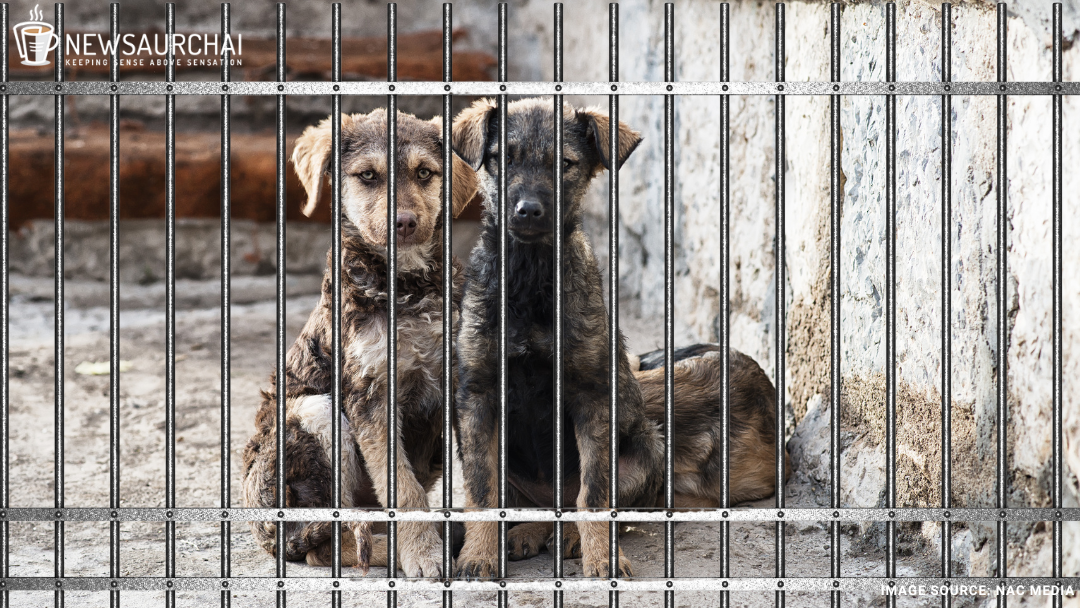
In a significant move, the Supreme Court of India has directed the Delhi government to systematically relocate stray dogs from public spaces to shelters, emphasizing humane treatment and strengthened infrastructure. This directive seeks to address ongoing concerns about public safety, urban sanitation, and animal welfare in the capital. As residents and authorities prepare for the changes ahead, this story raises important questions about how India’s cities balance compassion for animals with the practical challenges of urban living.
What the Order Says
The court’s directive instructs authorities to:
-
Systematically remove stray dogs from public areas.
-
Ensure that the process is humane and compliant with animal welfare laws.
-
Strengthen shelter infrastructure to accommodate the relocated dogs.
-
Integrate sterilization and vaccination programs as part of long-term management.
The emphasis is on relocation, not culling, in line with provisions of the Prevention of Cruelty to Animals Act and related rules.
Key Context
-
Urban Challenges: Delhi, like many Indian metros, faces a steady rise in stray dog numbers. This has led to concerns about occasional attacks, road safety hazards, and public hygiene issues.
-
Animal Welfare Concerns: Animal rights groups have long advocated against any form of cruelty while managing stray populations, pressing for sterilization and vaccination as the right approach.
-
Public Reactions: Some residents welcome the move, citing safety concerns, while others question its feasibility and the conditions of existing shelters.
Points to Consider
-
Population Control Methods: Whether large-scale sterilization programs combined with relocation can be sustainable over time.
-
Shelter Capacity: Current shelter facilities may require significant upgrades to meet humane standards.
-
Legal Boundaries: The order navigates between constitutional provisions on animal protection and the state’s responsibility to safeguard human life.
-
Community Role: Residents’ cooperation in reporting and avoiding feeding strays in public spots may influence outcomes.
Broader Cultural and Social Lens
In Indian ethos — particularly under Hindu cultural values — animals hold a place of reverence. Coexistence with nature is deeply valued, but urban realities bring unique challenges. The Supreme Court’s order reflects an attempt to balance these cultural sentiments with public safety priorities.
Comparative Insights
Other Indian cities and global metros have experimented with varied approaches:
-
Internationally: Many cities opt for community adoption programs, incentivized animal fostering, and public education.
-
Within India: Cities like Pune and Jaipur have expanded sterilization and vaccination drives in partnership with NGOs.
What Happens Next
Implementation details — such as how quickly shelters will be upgraded, what resources will be allocated, and how public and NGO participation is structured — will determine how effective this measure becomes in practice.


