


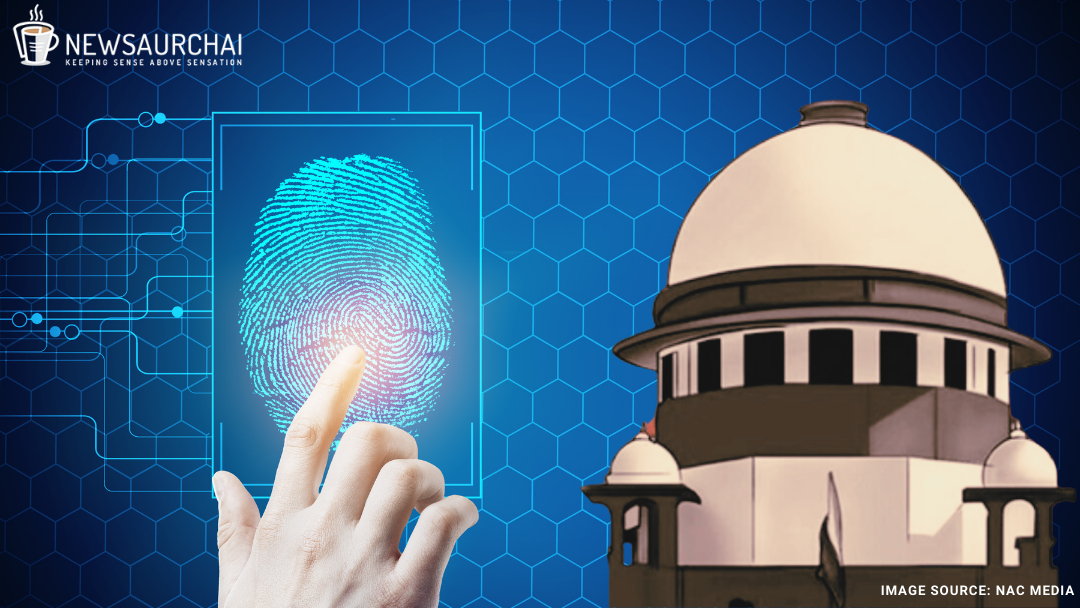
July 1st, 2025. India finally wraps up a ten-year marathon with its Digital India mission, a significant moment. And as if on cue, the Supreme Court drops this absolute bombshell in May, saying that digital access is a fundamental right. That’s not just a win for technology professionals; it’s like cementing Digital India into the constitutional framework—a bold and necessary move.
Yet the pressing question remains: how do we measure the success of Digital India?. Digital India is a significant government initiative aimed at transforming the entire country into a digitally literate, knowledge-based society. However, providing hardware and connectivity alone isn’t the whole story. If we’re talking about real digital empowerment, you gotta put equity, inclusivity, and accessibility right at the front—not just who’s got the latest phone or if there’s a broadband cable running down the street. That is where the true challenges and opportunities lie.
When our Prime Minister invokes “Vasudhaiva Kutumbakam” — the world is one family — we must ensure this vision includes rural India, small towns, and Tier-3 cities. My appreciation for Digital India grew during the COVID-19 pandemic, when physical touch turned from a sign of warmth to a health risk. The digital shift was rapid — even rickshaw drivers began accepting UPI payments. This grassroots adoption, more than global accolades, reflects a meaningful change.
But let’s be clear: UPI is not Digital India in its entirety. It’s one indicator of digital adoption, just like Aadhaar, CoWIN, or BharatNet. These are significant tools, yet not without shortcomings. Technology is challenging. Changing one line of code can cause the entire system to collapse. That’s the nature of tech—brilliant, but brittle. This highlights the need for continuous learning and adaptability in a fast-evolving digital ecosystem.
For many villagers who want to complete a basic KYC or apply for government services, the absence or inconsistency of local Jan Seva Kendras, poses a fundamental access barrier. If Kendra exists, they’re often closed. Services like e-commerce may be a daily convenience in Tier-1 city apartment, but they remain aspirational — even inaccessible — for someone in a remote hamlet in state like Uttarakhand.Thus, where you sit often defines whether Digital India feels like a boon or a burden.
We also need to examine the difference between digital access and digital literacy. Owning a smartphone does not equal knowing how to utilize it properly. Most of India is still based in local languages, but most digital software and platforms are still Englishbased.
Even in our own home, our parents, in their late 60s, continue to find smartphones confusing, despite using them for years. It’s not a matter of intelligence or motive, but of design, communication, and education. The government is making appropriate investments in AI and new technologies to put India on the international technology map. But we need to ask ourselves: Are we preparing our citizens for this future?
India still faces a dual struggle — catching up on basic digital adoption while bracing for rapid technological disruption. Those familiar with the digital world face new threats like digital arrests, scams, and privacy violations. Meanwhile, the digitally excluded are still struggling to open a CoWIN certificate or complete an online form. Regardless of where you fall on this spectrum, everyone navigates risk, whether from ignorance or overexposure.
Policy timelines often outpace public readiness. A decade into Digital India may be too soon to conclude, but it’s the right time to assess, reflect, and correct course. Safety and security must grow in tandem with the expansion of digital technology. One cannot be sacrificed for the other. There’s also limited flexibility for states and districts to tailor digital adoption to their local culture or governance needs — and that’s a missed opportunity.
Finally, before we celebrate the granting of new digital rights, we must ask: Are citizens able to exercise the rights they already have? Can they access the courts if their digital access is denied? Is the judiciary equipped to handle digital rights violations? These questions cannot remain rhetorical.
As a tech policy enthusiast, we don’t see setbacks as failures — we see them as feedback. That’s how national institutions should also approach the next phase. Digital India is a remarkable and ambitious journey, but its ultimate destination is not just global recognition; it is a transformative journey that aims to improve the lives of its citizens. It’s in the moment when every Indian, regardless of geography, literacy, language, or income, can participate meaningfully in the digital world.
Only then, by that time we can celebrate Digital India @20.
Author:Barkha Manral
Co-Author: Ankit Bhutani
Barkha Manral (https://www.linkedin.com/in/barkha-manral/) is a communications and policy professional and the founder of IIRO (iiro.in) , focused on Internet governance and digital inclusion. She engages with global platforms like ICANN and advocates for youth in the Asia-Pacific. Currently, she is pursuing a Graduate Certificate in Public Policy from the Takshashila Institution.
Ankit Bhutani(https://www.linkedin.com/in/ankitbhutani/ ) is a technologist and business management professional, deeply interested in the convergence of technology and policy for social impact. Actively leveraging technology to solve social issues, with a proven track record of enabling smart city implementations for governments across India and globally.
Disclaimer: The opinions expressed in this article are the personal opinions of the author. The facts and opinions appearing in the article do not reflect the views of News Aur Chai and News Aur Chai Media does not assume any responsibility or liability for the same.


